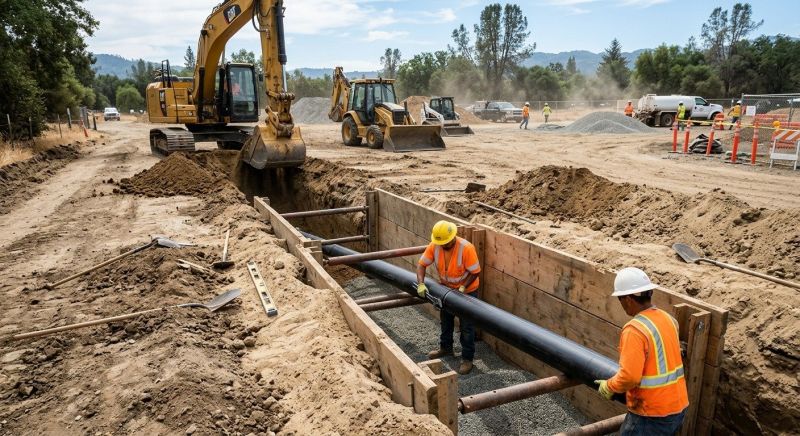
Trench Installation in Atlanta, GA
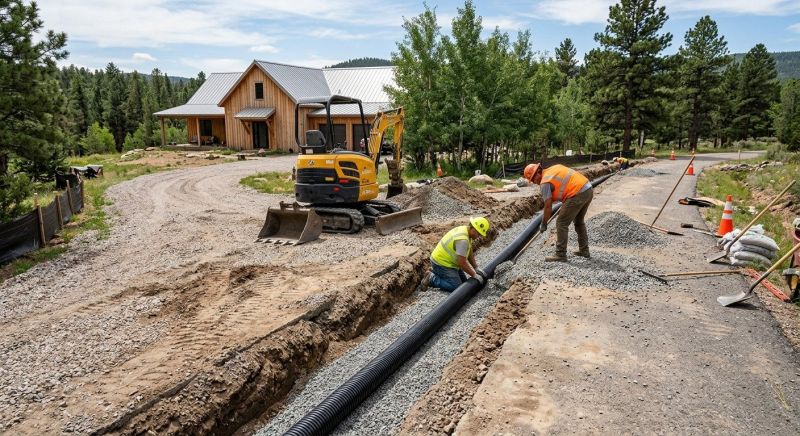
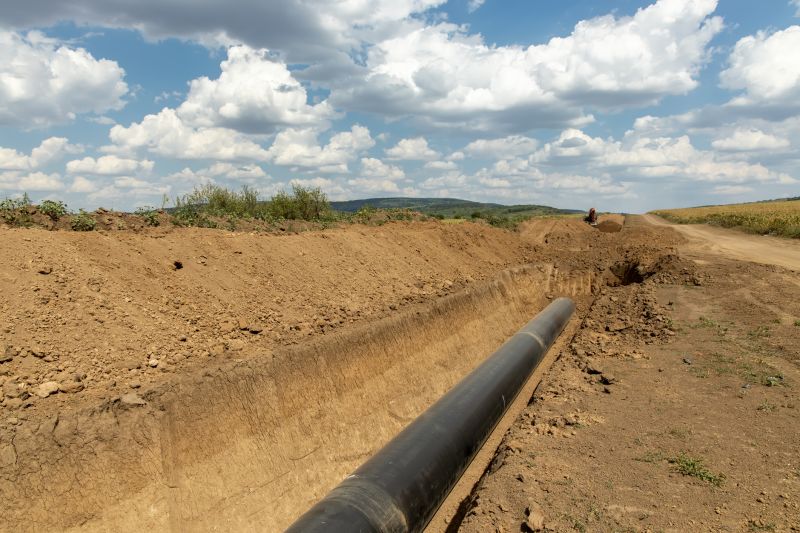
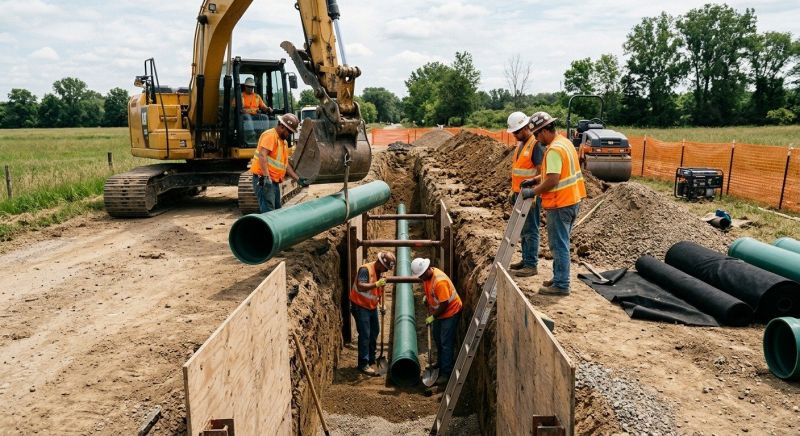
Trench installation services involve excavating narrow, deep channels in the ground to support a variety of property projects. These services are commonly used for installing underground utilities such as water lines, sewer pipes, electrical conduits, and drainage systems. Property owners typically request trenching to facilitate infrastructure updates, new construction, or landscape improvements, ensuring that underground systems are properly laid out and protected. Before requesting trench installation, it’s important to understand the scope of the project, including the length and depth of trenches needed, as well as any existing underground utilities to avoid disruptions or damage.
Homeowners should also consider the location and accessibility of the work area, as well as any permits or regulations that may apply in their area. Clear communication about the purpose of the trenches and the types of materials involved can help ensure the project proceeds smoothly. Proper planning and understanding of these factors can assist property owners in making informed decisions and achieving the desired results for their property improvements.
Many property owners in Atlanta, GA look into Trench Installation for repairs, replacements, upgrades, and appearance-related improvements.
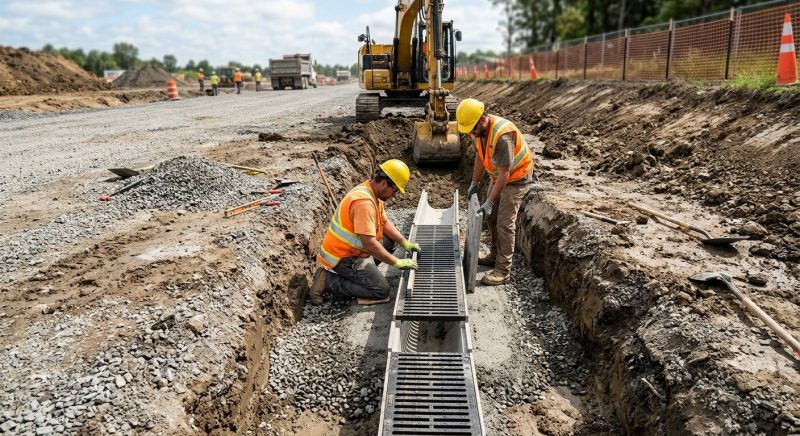
Drainage And Utility Installations
Trenches are essential for installing underground utilities and improving drainage around properties.
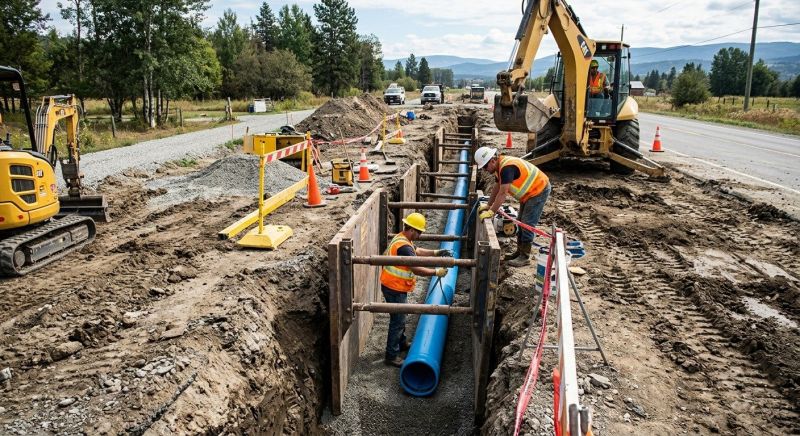
Foundation And Landscaping Support
Proper trenching provides stability for foundation work and helps define landscape features.
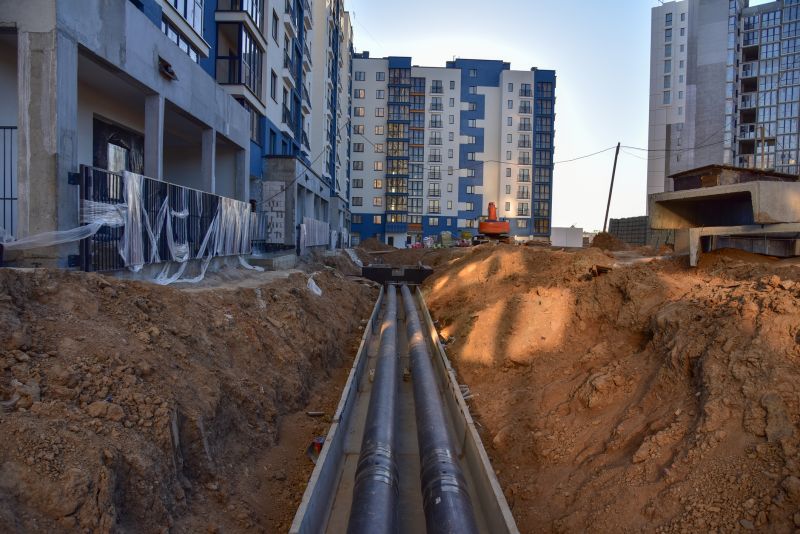
Property Enhancement Projects
Trench installation is often part of larger projects like fencing, irrigation, or new construction in atlanta, ga.
Trench Installation in Atlanta, GA

Trench installation services involve excavating narrow, deep channels in the ground to support a variety of property projects. These services are commonly used for installing underground utilities such as water lines, sewer pipes, electrical conduits, and drainage systems. Property owners typically request trenching to facilitate infrastructure updates, new construction, or landscape improvements, ensuring that underground systems are properly laid out and protected. Before requesting trench installation, it’s important to understand the scope of the project, including the length and depth of trenches needed, as well as any existing underground utilities to avoid disruptions or damage.
Homeowners should also consider the location and accessibility of the work area, as well as any permits or regulations that may apply in their area. Clear communication about the purpose of the trenches and the types of materials involved can help ensure the project proceeds smoothly. Proper planning and understanding of these factors can assist property owners in making informed decisions and achieving the desired results for their property improvements.
Many property owners in Atlanta, GA look into Trench Installation for repairs, replacements, upgrades, and appearance-related improvements.
Common Trench Installation Jobs
Drainage Trench Installation - helps redirect water away from foundations and landscaping.
Foundation Drainage Trench - prevents water buildup around building foundations.
Yard Drainage Trench - alleviates standing water and improves yard drainage.
Sump Pump Drain Trench - provides an effective outlet for sump pump discharge.
French Drain Installation - manages excess groundwater and reduces soil erosion.
Perimeter Trench System - protects property from water intrusion and flooding.
Trench Installation Questions
What types of projects require trench installation? Trench installation is commonly used for underground utility lines, drainage systems, irrigation, and cable or pipe routing across properties.
How deep are trenches typically dug? Trenches are usually dug to a depth suitable for the specific utility or purpose, often between 12 and 36 inches, depending on local codes and project needs.
What should property owners consider before trench installation? It's important to identify existing underground utilities, obtain necessary permits, and plan for proper backfilling and compaction after installation.
Are there restrictions on trench placement? Yes, trenches should avoid driveways, sidewalks, and areas with existing underground infrastructure, and must comply with local regulations.
Request Trench Installation in Atlanta, GA
Use the quote form on this page to share the basics of your project and request more information for the type of work you need.