
Favorite Trenching Service Products For Construction Projects
Identify reliable and durable trenching tools that support smooth operations and successful project completion.
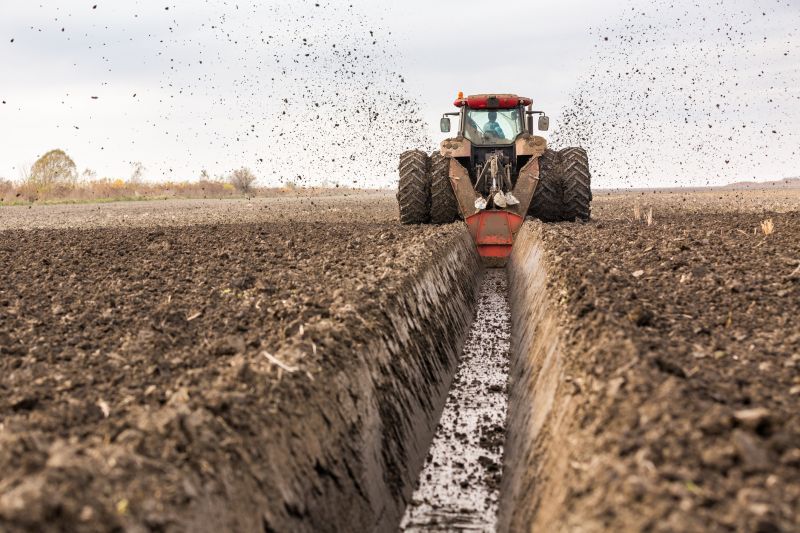 Trenching services are essential in various construction, utility installation, and landscaping projects. They involve creating narrow, deep channels in the ground to lay pipes, cables, or drainage systems. The success of a trenching project depends heavily on selecting the right tools and equipment suited to the specific soil conditions, project scale, and safety requirements. From manual hand tools to sophisticated machinery, there is a broad spectrum of products designed to facilitate efficient and precise trenching. Understanding the features and applications of these products can help contractors and DIY enthusiasts make informed choices that enhance productivity and safety.
Top Overall Option
Heavy-Duty Walk-Behind Trenchers
Heavy-duty walk-behind trenchers are versatile machines suitable for a variety of soil conditions and trench depths. They typically feature adjustable cutting depths, powerful engines, and durable chains or wheels for efficient digging. These machines are designed to handle medium to large-scale projects, providing a balance of portability and performance. Their ergonomic design often includes safety features and ease of operation, making them a reliable choice for contractors and experienced DIYers seeking consistent results in trenching tasks.
Types of Products For Trenching Service
Manual Trenching Shovels
Ideal for small or delicate trenching tasks, manual shovels and spades allow precise control in soft soils and tight spaces.
Handheld Power Trenchers
Compact, portable machines suitable for narrow trenches and small projects, offering powered digging with minimal effort.
Walk-Behind Trenchers
Motorized machines that provide efficient trenching for medium to large projects, adjustable for various depths and soil types.
Ride-On Trenchers
Larger, self-propelled trenchers designed for extensive projects, capable of digging deep and wide trenches with minimal operator fatigue.
Vibratory Plows
Specialized equipment for laying cables or pipes underground with minimal surface disturbance, ideal for utility installation.
Trenching Buckets and Attachments
Various accessories designed to enhance trenching machinery, including buckets, rippers, and depth regulators.
Soil Compactors
Machines used to compact soil after trenching, ensuring stability and preventing future ground movement.
Hydraulic Breakers
Attachments that assist in breaking through hard soil or rocky terrain during trenching operations.
Trenching Safety Gear
Protective equipment including helmets, gloves, and high-visibility clothing to ensure safety during trenching activities.
Soil Testing Equipment
Tools to assess soil type and stability, aiding in selecting appropriate trenching methods and safety precautions.
Water Pumps and Dewatering Equipment
Devices used to remove excess water from trenches, especially in areas prone to flooding or high water tables.
Laser Leveling Tools
Tools to ensure accurate trench depths and alignment over long distances for precise installation work.
Cable and Pipe Laying Machines
Specialized equipment designed to facilitate the installation of underground cables and pipes efficiently.
Portable Generators
Power sources for remote trenching sites where electrical supply is unavailable, enabling operation of electric tools and machinery.
Trench Rammers and Tampers
Tools used to compact soil within trenches to ensure stability and prevent future ground shifting.
Popular Choices
Lightweight and easy to operate, suitable for small-scale projects and landscaping tasks.
Flexible machines that offer mobility and power for medium-sized projects, capable of handling various soil conditions.
Small, portable trenching equipment ideal for tight spaces and minor utility work.
Robust chains designed for deep trenching in tough soils, compatible with larger machinery.
Versatile attachments for excavators and skid steers to expand their trenching capabilities.
Specialized trenchers designed for utility companies to install cables, pipes, and conduits efficiently.
Tools for drilling narrow holes or trenches in various soil types, often used for small installations.
Compact machines for soil compaction in trenches, ensuring stability and safety.
Electronic tools to detect underground utilities before trenching begins, preventing damage and accidents.
Equipment to manage water accumulation within trenches, especially in rainy or high water table areas.
Protective barriers and covers to secure trenches during and after excavation for safety compliance.
Portable kits to evaluate soil composition and stability on-site, aiding in planning and safety.
For small-scale or precision work, hand tools such as trenching shovels, spades, and manual trenchers are commonly used. These tools offer control and are ideal for narrow or shallow trenches in softer soils. For larger projects, powered equipment becomes necessary. Power trencher machines, available in walk-behind and ride-on models, can cut through various soil types and depths with ease, significantly reducing labor time. These machines often come with adjustable digging depths, chain or wheel-type cutting mechanisms, and safety features to ensure operator protection.
Additionally, accessories and attachments such as trenching buckets, vibratory plows, and trench compaction equipment can optimize the trenching process. Proper maintenance and selection of the right attachments are crucial to ensure equipment longevity and effective operation. Safety gear, including protective clothing, helmets, and hearing protection, should always accompany trenching activities to mitigate risks associated with heavy machinery operation and soil stability. By carefully choosing the right products, professionals and DIY users can achieve cleaner, more accurate trenches while maintaining safety standards throughout the project.
Key Buying Considerations
- Determine the required trench depth and width to select appropriate equipment.
- Assess soil type and ground conditions to choose suitable trenching machinery and attachments.
- Consider project scale—small DIY projects may need manual tools, while larger jobs require powered equipment.
- Evaluate the power source preferences, such as electric, gas, or hydraulic, based on site accessibility and convenience.
- Prioritize safety features like emergency shut-offs, blade guards, and ergonomic controls.
- Check for adjustable digging depths and widths to accommodate different project requirements.
- Review machine weight and portability, especially if the site involves uneven terrain or limited access.
- Look for durability and ease of maintenance to ensure long-term operation and cost-effectiveness.
- Consider additional accessories like soil compactors, dewatering pumps, and safety gear for comprehensive project support.
- Evaluate the availability of spare parts and customer support from the manufacturer or supplier.
- Factor in budget constraints while balancing quality, features, and longevity of the equipment.
- Read user reviews and ratings to gauge real-world performance and reliability.
- Ensure compliance with local safety regulations and standards for trenching operations.
- Think about future project needs—investing in versatile equipment can provide long-term value.
- Check for warranty options and service agreements to protect your investment.
This content contains affiliate links. Purchasing through these links supports ongoing content creation and allows us to provide detailed product information.